
Last updated 22 October 2026 — by Adrian Tan, SDM. Marketing guidance, not legal advice. References are to the Endangered Species (Import and Export) Act 2006 (as amended, including by Act 15 of 2026), its Prohibition of Sale Notification and the 2021 ivory exemption order, and the Wildlife Act 1965, as shown on Singapore Statutes Online on 22 October 2026, read with NParks guidance. Where we infer how a rule applies, we say so.
An antique dealer photographs a carved figurine and writes “old ivory, estate piece”. A leather brand describes a handbag as “genuine python”. A wellness shop lists “wild agarwood chips” and a TCM retailer adds a product with a traditional animal ingredient to its online store. An aquarium seller posts a photo of live coral frags on Instagram.
Each of those listings is marketing. Each is also governed by Singapore’s law on trade in endangered species, which takes an unusually wide view of what counts as advertising. Under that law, the photo, the product name and even a claim that turns out to be false can be enough to bring a listing within the rules.
This guide is for e-commerce sellers, marketplace operators, antique and décor shops, fashion brands using exotic skins, TCM and wellness retailers, aquarium shops and the agencies that write their listings and ads. It covers how the law defines “advertise”, the three products you may not sell at all, the permit trail behind everything else, the penalties, the defence that protects careful sellers, what the major platforms allow, and six worked examples.
The law in one paragraph
Singapore implements the Convention on International Trade in Endangered Species (CITES) through the Endangered Species (Import and Export) Act 2006, administered by the National Parks Board (NParks). Species are “scheduled” according to the CITES appendices. Despite its name, the Act does not stop at the border. Section 4 makes it an offence to sell, offer, expose or advertise for sale, or display to the public, a scheduled species that was imported without a valid permit, and lets the Minister ban the domestic sale of specified species outright. That is the hook for every online listing.
Why a listing is “advertising” under this law
Section 2 of the Act defines “advertise” more broadly than almost any other Singapore statute we have covered. It means to describe, make reference to or allude to a scheduled species in any way, by any means or in any form. The definition expressly covers direct and indirect references, any language, diagrams, pictures, symbols and photographs, and references by common name, scientific name or otherwise.
In practical terms, these all count as advertising a scheduled species:
- a marketplace listing with a photo of the item, even with no description;
- a product title that uses a common name such as “python leather” or a scientific name;
- an Instagram story or Telegram post showing the item with a price on request;
- a product description in Chinese or Malay naming the ingredient;
- an allusion such as “white gold of Africa” for ivory, which is still a reference “in any way”.
The second definition that matters is “readily recognisable part or derivative”. It covers parts such as tusk, horn, bone, skin, leather, scale, shell, tooth and claw, in natural form or “dried or otherwise treated or prepared”, including when contained in preparations, and plant parts such as seeds, bark, roots and logs. Crucially, it also covers any item that a person claims contains a part or derivative of a scheduled species, or that its packaging, label or accompanying documents say contains one.
That last limb creates a trap for sellers of imitations. If you describe resin as “genuine ivory” or a plant extract as “real rhino horn powder”, your own claim can bring the item within the Act, even though the item is fake. And if the claim is false, you have a second problem under consumer protection law, which we return to below.
Three products you cannot sell at all: ivory, rhino horn and tiger parts
Section 4(1)(c) lets the Minister specify species whose domestic sale is banned regardless of how they were imported. The Prohibition of Sale Notification made under it says a person must not sell, offer or expose for sale, or display to the public:
- rhinoceros horn, worked or unworked, including powder and waste, plus whole or part dead specimens and meat;
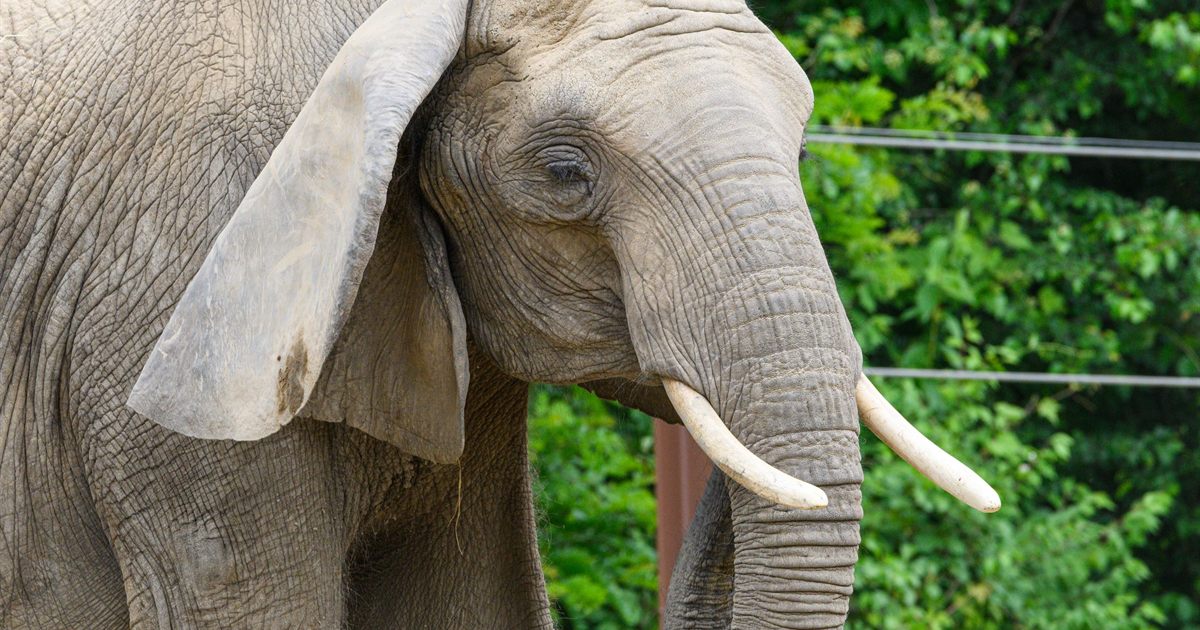
- Asian and African elephant tusk or tooth, whether worked, unworked or prepared, and any part, powder or waste;
- tiger whole or part dead specimens, including teeth, claws, skin and bones, including in preparations, and tiger meat.
The elephant ivory ban took effect on 1 September 2021. The exemption order made at the same time allows the display of ivory for educational or religious purposes only. There is no exemption for antiques, and no exemption for ivory acquired before the international trade ban. NParks’ guidance says owners may keep, wear, gift or donate their ivory, or give it to a museum, and that appeals can be made only in very special circumstances.
For marketers, the important word is “display”. A shop window, an Instagram grid or a “collection” page showing ivory pieces for sale is caught, and so is a listing with “price on request” or “DM for details”. A vintage dealer who wants to show an ivory-handled piece as part of a brand story, but not sell it, should take legal advice before publishing, because the only display exemptions are educational and religious.
Pangolin is not on this list, but every pangolin species is in CITES Appendix I, where commercial trade is generally prohibited, so in practice there is almost no lawful route to listing pangolin scales either.
Everything else: the permit trail
For other scheduled species, the rule in section 4(1)(b) is about provenance. It is an offence to possess, sell, offer, expose or advertise for sale, or display to the public, a scheduled species that was imported without a valid permit. So a seller can lawfully list a CITES Appendix II item, such as a crocodile leather bag, if that stock came in under the right permits, and cannot if it did not.
NParks groups the categories that matter to retailers like this:
| CITES appendix | Examples NParks gives | Can it be sold in Singapore? |
|---|---|---|
| Appendix I | Elephants, rhinos, tigers, pangolins, marine turtles, most bears | Commercial trade generally prohibited; ivory, rhino horn and tiger also banned domestically |
| Appendix II | Crocodiles, pythons, monitor lizards, seahorses, hard corals, giant clams, certain sharks, agarwood, rosewood, American ginseng, orchids | Yes, if imported with valid CITES permits |
| Appendix III | Species listed at the request of a single country | Yes, with the required documents |
The list surprises many sellers. Agarwood, American ginseng, rosewood furniture, orchids, hard coral and several shark species are all in Appendix II. A 2024 study published in Royal Society Open Science sampled 684 shark fins in Singapore and identified 24 species, 19 of them listed in Appendix II, which shows how routinely CITES species reach ordinary retail.
Two changes in 2026 matter for listings. An amendment in force from 1 July 2026 extended “scheduled species” to hybrid plants, and to animal hybrids with an Appendix I or II species in their recent lineage, so a “designer” hybrid python or orchid may now be caught. The same amendment replaced section 8A so that the Director-General can, on application, certify whether an item is or is not a scheduled species. For a seller unsure about a product, that certificate is the cleanest evidence you can have before you list.
Penalties: per specimen, and higher for companies
The Act counts penalties per specimen, which is what makes a catalogue of listings dangerous. Penalties were raised with effect from 1 November 2022, so older figures quoted in news stories are out of date.
| Offender | Appendix I species | Appendix II or III species |
|---|---|---|
| Individual (s 4(2)) | Up to $100,000 per specimen, capped at $500,000 or the market value if higher, and/or up to 6 years’ jail | Up to $50,000 per specimen, same cap, and/or up to 4 years’ jail |
| Company, partnership or association (s 5A) | Up to $200,000 per specimen, capped at $1 million or the market value if higher | Up to $100,000 per specimen, same cap |
| Officer convicted with the entity (s 5A) | The same fines, plus up to 8 years’ jail | The same fines, plus up to 6 years’ jail |
The Act also gives NParks wide investigation powers. Section 10 allows it to require documents and information and to summon people for questioning, and “information” includes data and images, which in practice means listings, chats and order records. Section 11 allows entry, search and seizure. Section 13 lets the Director-General require items to be marked or labelled, and altering or removing a mark is an offence. Some offences can be compounded for up to $5,000 under section 25.
The defence that protects careful sellers
Section 6 provides a defence where the offence was due to another person’s act or default and the accused took all reasonable precautions and exercised all due diligence to avoid it. The accused must give written notice of the defence at least seven clear days before the hearing.
For a retailer, that turns compliance into a paperwork habit. Keep the CITES import permit, or the supplier’s copy, against each batch of stock. Keep supplier declarations and invoices that name the species. Train whoever writes listings not to add species claims the paperwork does not support. And where a product is borderline, apply for a section 8A certificate. A seller who can produce that file is in a very different position from one who relied on a supplier’s word.
The Wildlife Act: native species and live animals
A second statute sits alongside the CITES law. Section 8 of the Wildlife Act 1965 says no one may offer for sale, sell or export any wildlife, alive or dead, or any part of it, without the Director-General’s written approval. The maximum penalty is $50,000 and/or two years’ jail for protected wildlife, and $10,000 and/or 12 months otherwise. It overlaps with the CITES law for parts of native species. Live animals and pets have their own licensing regime, covered in our guide to advertising and selling pets online in Singapore.
What the platforms allow
Marketplace and ad platform rules are often stricter than the law, and breaking them gets a listing removed or an account suspended long before any regulator acts.
- Carousell bans items made from or including any part of an animal protected by law, naming pangolin scales, ivory, rhinoceros horn, tiger bone, bear bile and bear paw. It allows leather goods and taxidermy that are not protected.
- Shopee Singapore‘s prohibited-items policy (last updated 16 July 2026) bans “elephant ivory, tiger tooth amulet” and parts of animals that are illegal to sell or come from endangered species. It also bans artifacts and antiquities, and its food rules ban endangered species including those on the CITES appendices.
- Meta‘s advertising standards say ads must not promote, donate or gift products derived from threatened, extinct or endangered species, covering both wildlife and plants. An agarwood or exotic-leather ad can therefore be rejected even where the sale itself is lawful.
NParks itself watches online channels. Its release of 20 October 2025 described coordinated raids on 9 October 2025 on six premises, targeting traders operating through online platforms and Telegram, with 16 CITES specimens seized, and said it regularly monitors online marketplaces. We could not find a reported prosecution from 2023 to 2026 for an online listing of a wildlife product as opposed to live animals, but the monitoring and the “advertise” definition mean the exposure is real.
Claims: the consumer-law double bind
Wildlife products often sell on authenticity claims: “genuine”, “wild-harvested”, “real horn”, “natural ivory”. Those claims sit under two laws at once.
If the claim is false, it is likely an unfair practice under the Consumer Protection (Fair Trading) Act, whose Second Schedule lists representing that goods have ingredients, qualities or an origin they do not have. Our guide to the Trade Descriptions Act and product claims covers the related description rules.
If the claim is true, or merely made, the CITES law’s definition can treat the item as a scheduled species. So “genuine ivory” is either a consumer-law problem or an endangered-species problem, and both are avoided by not making the claim. The same logic applies to TCM ingredients: name what the product actually contains, and check whether that ingredient is scheduled. Clinics and TCM halls have additional advertising rules, set out in our TCM advertising guide.
Six worked examples
1. The antique dealer and the ivory netsuke
A dealer lists a carved netsuke as “Meiji period, ivory” on its website. Elephant ivory cannot be sold, offered or displayed for sale in Singapore, and its age does not help. The piece must come off the store. If the material is actually bone or resin, describe it accurately and do not mention ivory at all.
2. The leather brand selling python bags
A fashion label lists “genuine python” clutches. Pythons are Appendix II, so the listing is lawful only if the skins or finished goods were imported with valid CITES permits. The brand should hold the permits against each production run and keep the species name in the listing consistent with them.
3. The agarwood incense shop
A wellness shop runs Meta ads for “wild agarwood chips”. Agarwood is Appendix II, so the permit trail decides whether the sale is lawful, and Meta’s ad standards may reject the ad regardless. The shop can still sell through its own site with the permits on file and use organic content, rather than paid ads, to describe the product.
4. The aquarium seller posting live coral
An aquarium shop posts coral frags on Instagram with prices. Hard corals are Appendix II, so the stock needs to have been imported with permits. Frags grown locally from lawfully imported parent colonies are a question to put to NParks, and the answer should be on file before the post.
5. The TCM retailer and an animal ingredient
An online TCM store adds a product whose label names a traditional animal ingredient. If that ingredient comes from tiger, rhino or elephant, it cannot be sold at all. If it comes from another CITES species, the permit trail applies. If the label names the ingredient but the product does not actually contain it, the claim alone can bring the item within the Act and is also misleading.
6. The collectible hybrid reptile
A breeder lists a hybrid python morph. Since 1 July 2026, animal hybrids with an Appendix I or II species in their recent lineage can be scheduled species. The breeder should check the lineage and, where unsure, apply for a section 8A certificate before listing, then follow the live-animal licensing rules as well.
A pre-listing checklist
- Identify the species in every product, including ingredients and materials, by its scientific name.
- Rule out ivory, rhino horn and tiger parts completely, including in listings that only “display”.
- Check the species against the CITES appendices, including hybrids.
- Hold the CITES import permit or supplier permit for each batch, and file it with the invoice.
- Write listings that match the paperwork: no “genuine” or “wild” claims you cannot prove.
- Check the platform’s prohibited-items and ad policies before you publish or pay for reach.
- Where unsure, ask NParks for a section 8A certificate and keep it.
For the other legal basics every online store needs, see our website legal requirements checklist, and for building a compliant store that still converts, our guide to e-commerce marketing in Singapore.
Where this leaves you
Singapore’s endangered species law treats a photo, a product name or a claim as advertising, counts penalties per specimen, and bans three product groups outright. For everything else, the question is whether you can show the permit trail. Sellers who keep that paperwork, describe products accurately and check platform rules can trade lawfully. Sellers who rely on “antique”, “estate piece” or a supplier’s assurance are exposed.
If you run an online store and want listings, product pages and campaigns built to stay compliant, our web design and e-commerce team in Singapore can help, and you can see how we work in our client case studies. For the bigger picture on building your store, start with our complete guide to web design in Singapore.
Frequently asked questions
Can I sell antique ivory in Singapore?
No. Since 1 September 2021, selling, offering or exposing elephant ivory for sale, or displaying it to the public, has been banned, and there is no exemption for antiques. Display is allowed only for educational or religious purposes. Owners may keep, wear, gift or donate ivory.
Does posting a photo of a product count as advertising it?
Yes, under the Endangered Species (Import and Export) Act. Its definition of “advertise” covers any description, reference or allusion to a scheduled species in any form, including pictures, photographs, symbols and common or scientific names.
Is it legal to sell crocodile or python leather in Singapore?
Generally yes, if the goods were imported with valid CITES permits, because crocodiles and pythons are in CITES Appendix II. Selling or advertising such goods imported without a valid permit is an offence.
What if my product is fake but I call it real ivory?
The Act’s definition covers items claimed to contain a scheduled species, so the claim can bring the item within the law. A false claim is also likely an unfair practice under consumer protection law. Describe the actual material instead.
What are the penalties for selling endangered species products?
For an individual, up to $100,000 per specimen for Appendix I species and $50,000 for Appendix II or III, capped at $500,000 or market value, with up to six or four years’ jail. Companies face double the per-specimen fines, capped at $1 million or market value.
Is agarwood a CITES species?
Yes. NParks lists agarwood among Appendix II species, which can be traded with CITES permits. Keep the permit trail for your stock, and note that Meta’s ad standards restrict ads for products from endangered species, plants included.