
Home/Services/Web Design/E-commerce
Stores built to sell
An online store has one job: convert browsers into buyers. Yet most e-commerce sites quietly sabotage themselves — slow product pages, clumsy mobile checkout, and a catalogue invisible to Google. Every one of those is lost revenue you never see. A store that looks good but does not sell is the most expensive kind of website there is.
As an e-commerce web design company in Singapore, we build fast, mobile-first online stores engineered around the buying journey — and around how products get found in search — so your catalogue does not just exist, it earns.
Frictionless checkout
Fast on mobile
Products that rank
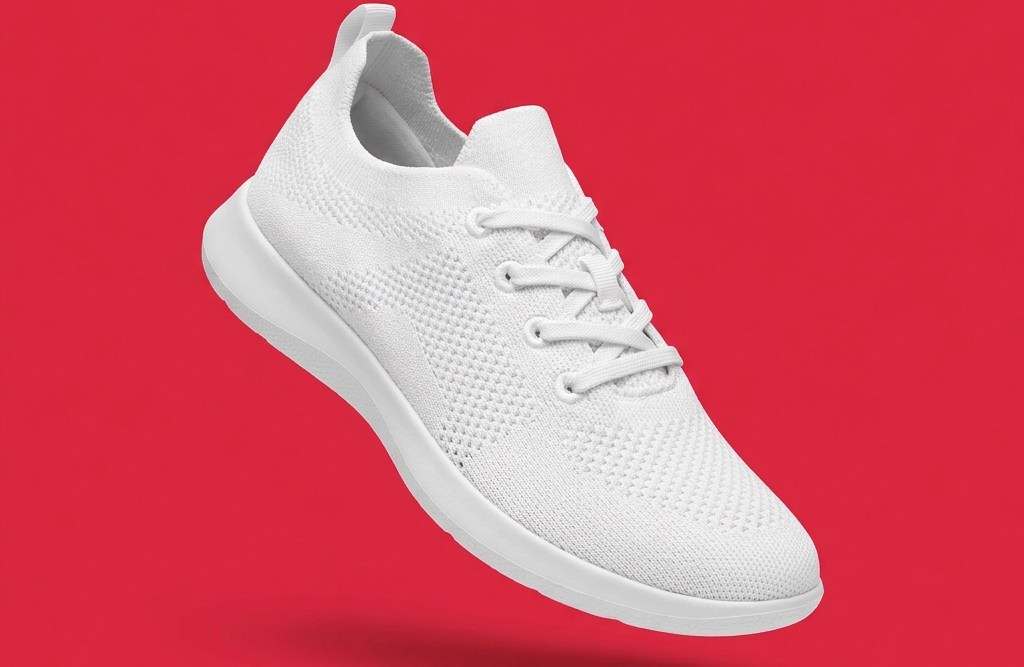
★★★★★ 128 reviews
Runner Knit Low-Top
Free next-day delivery · In stock
$189$149
Add to cart
PayNow ready
Order placed
checkout in 2 taps
01 What matters
01
The fastest path from product to paid. Every extra step and form field loses sales — we strip the checkout to the essentials, especially on mobile. Guest checkout and autofill do the rest.
02
Clear images, persuasive copy, trust signals and obvious calls to action. The product page is where the sale is won or lost. We make the details that drive a decision impossible to miss.
03
Most Singapore shoppers browse on their phones, and they abandon slow stores. We build light and fast for green Core Web Vitals. On a store, every extra second of load time costs conversions.
Built on the foundations of our web design service, with the e-commerce specifics that turn a catalogue into a revenue engine.
02 Platform
The platform decision shapes cost, control and how you will run the store day to day. We are fluent in both and recommend by fit, not by habit.
WooCommerce
Best when you want full control, strong SEO and no per-sale platform fees. Flexible enough for unusual catalogues, content-heavy stores and tight integration with the rest of your marketing — in exchange for managing hosting and updates, which we can handle for you.
Shopify
Best when you want simplicity and speed to launch, with hosting, security and payments handled for you. Excellent for straightforward catalogues and teams that prefer not to touch the technical side — in exchange for monthly fees and a little less flexibility as you scale.
Most Singapore SMEs do well on one of these two. We weigh your catalogue, budget, team and growth plans and recommend the one you will actually be happy running. General website questions live on web design.
03 Features
Beyond the storefront, a store runs on the systems behind it. We set up the ones that affect sales and sanity from day one.
PayNow, cards and the wallets Singapore shoppers expect, via trusted gateways like Stripe — so checkout never fails at the final step. Local options like PayNow noticeably reduce drop-off.
Rates by weight, zone or order value, local couriers and free-shipping thresholds, set up so postage maths never costs you a sale or a margin.
Sizes, colours and bundles handled cleanly, with stock that updates automatically so you never sell what you cannot ship.
Optional accounts, order history and one-tap reorders that make repeat buying effortless — the cheapest revenue a store has.
Codes, sales, bundles and automatic discounts built in, ready for campaigns and peak periods without calling a developer.
Fast on-site search and category filters so shoppers find the right product quickly — the larger your catalogue, the more this earns. Good filtering turns a big range from a liability into an asset.
04 Conversion
Traffic is wasted if the store does not convert. We design each step of the buying journey to remove doubt and friction, not just to look good. See how that played out for The Soup Spoon, where checkout work sat alongside paid media and SEO. At Udders Ice Cream, the same work on flavour selection, delivery slots and bundle paths lifted average order value 10–15%. And at Love, Bonito, product-page, sizing and checkout work alongside paid media and SEO returned 4–5x on ad spend.
Step 01
Big, fast-loading images, scannable benefits, clear pricing and stock, reviews and an unmissable add-to-cart. This is where most sales are won or lost. We sweat these details on every product template.
Step 02
A cart that is easy to edit, shows shipping early, and nudges toward checkout instead of abandonment — with no nasty surprises waiting at the end. Clarity here is what keeps the cart moving.
Step 03
As few steps and fields as possible, guest checkout allowed, payment options shown up front. Every extra obstacle here is paid for in lost orders. We keep measuring and trimming it after launch, too.
Step 04
Reviews, secure-payment badges, clear returns and contact details, placed exactly where hesitation happens. Reassurance is what converts the cautious majority. Most first-time buyers just need a reason to feel safe.
05 Built in
Category and product pages are structured to rank — clean URLs, proper headings, product schema, and the technical foundations that get your catalogue found in search. A store nobody can find relies entirely on paid traffic; we build so organic carries its share. Category structure and internal links are planned, not improvised.
Because we also run Google Ads and Meta ads, we build the store so product feeds, tracking and the pixel are correct from day one — so Shopping campaigns and retargeting work properly instead of being bolted on later. The pixel and product feed are validated before launch, not after the first wasted spend.
A store is the start, not the end. We build on a platform you can manage and scale, ready for the SEO, content and ads that turn a new shop into a growing one. Build and growth can run as one continuous engagement.

06 FAQ
We recommend the platform that fits your catalogue size, budget and how you want to manage the store — commonly WooCommerce (on WordPress) for flexibility and SEO strength, or Shopify for simplicity. We will advise the right fit for your business rather than defaulting everyone to the same one.
It depends on the number of products, the design, and the features you need — payment options, shipping logic, integrations and so on. A small boutique store is a very different scope from a large multi-category catalogue. We scope and quote each project individually so you only pay for what you actually need.
Yes. We migrate products, customers and orders carefully, and — crucially — preserve the SEO value of your existing pages with proper redirects so you do not lose rankings in the move. A botched migration can wipe out hard-won traffic; we plan it so that does not happen.
That is built into how we design the store. Product and category pages get the structure, schema and technical foundations to rank organically, and the store is set up correctly for Google Shopping feeds too. Between organic and paid, your products get found in more places.
Most abandonment comes from surprises and friction: unexpected shipping costs, forced account creation, a long checkout, or limited payment options. We surface shipping early, allow guest checkout, cut the steps to a minimum and offer the payment methods shoppers expect. Where it helps, we set up abandoned-cart emails to recover the ones who still slip away.
The ones Singapore shoppers actually use: PayNow, credit and debit cards, and digital wallets, through trusted gateways like Stripe. We set them up so checkout is quick and reliable, and so the fees and payout timing suit how you run the business.
Yes. We build on a platform you can run, and include a short handover so your team can add products, change prices, run promotions and fulfil orders without a developer. For bigger changes or ongoing growth we are here — but day to day, the store is yours to manage.
07 Get started
Tell us what you sell and where you are now — a new store, a redesign, or a migration. We will recommend the right platform and approach, and put it in a written proposal scoped to your goals, whether or not you go ahead with us.
No obligation, no spam, no 14-email nurture sequence. A human replies within one working day.

A real person from the SDM team will reply within one working day with your proposal. Keep an eye on your inbox (and WhatsApp).